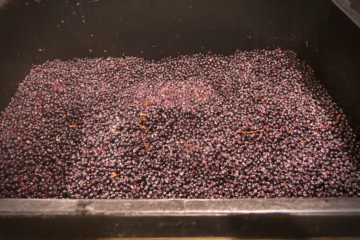
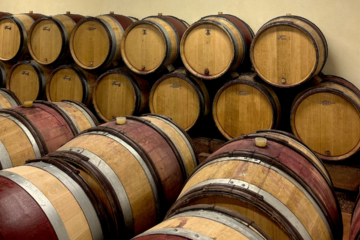
Wines from the Hudson Valley have noticeably improved in quality due to a combination of technical, agricultural, and cultural shifts. While the region has centuries of winemaking history, its recent gains reflect a more modern, coordinated effort to elevate standards. Here are three key reasons that explain this upward trend.
Reason #1 – Improved vineyard practices and better grape selection
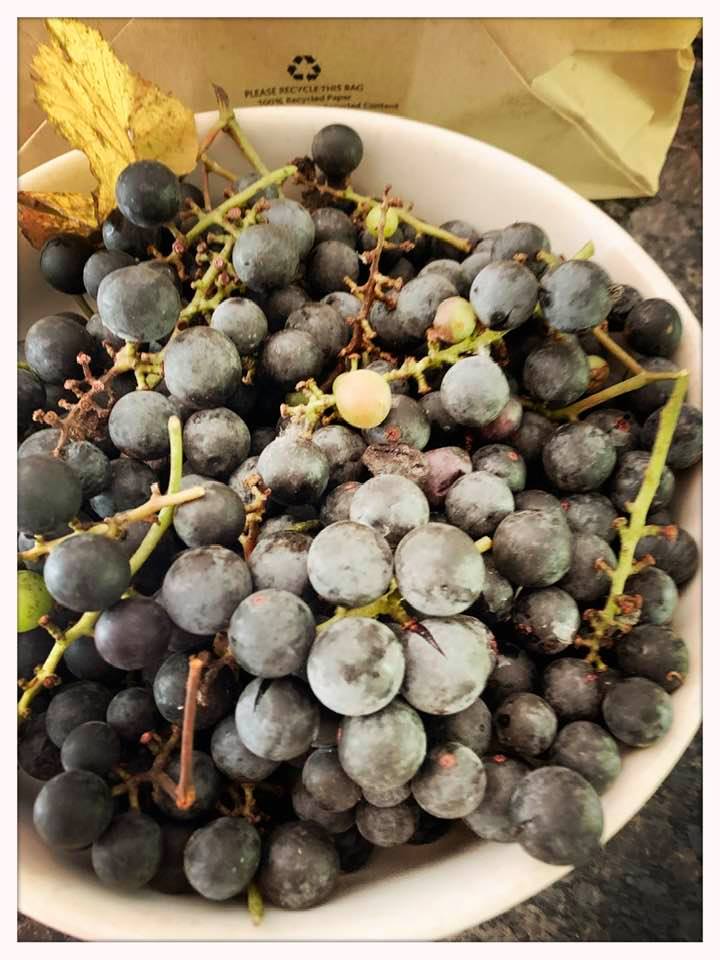
One of the most important drivers of quality is what happens in the vineyard. Hudson Valley growers have increasingly adopted cold-hardy hybrid grape varieties such as Chambourcin, Vidal Blanc, and Seyval Blanc. These grapes are better suited to the region’s climate, meaning they ripen more consistently and require fewer chemical inputs.
In addition, there has been years of experimentation to determine which varieties perform best in local soils and weather conditions. This has resulted in grapes that not only survive but produce more balanced, flavorful wines.
Better vineyard management—like improved soil practices, canopy management, and sustainability efforts—has also helped growers produce higher-quality fruit, which is the foundation of better wine.
Reason #2 – Greater collaboration and knowledge-sharing among winemakers
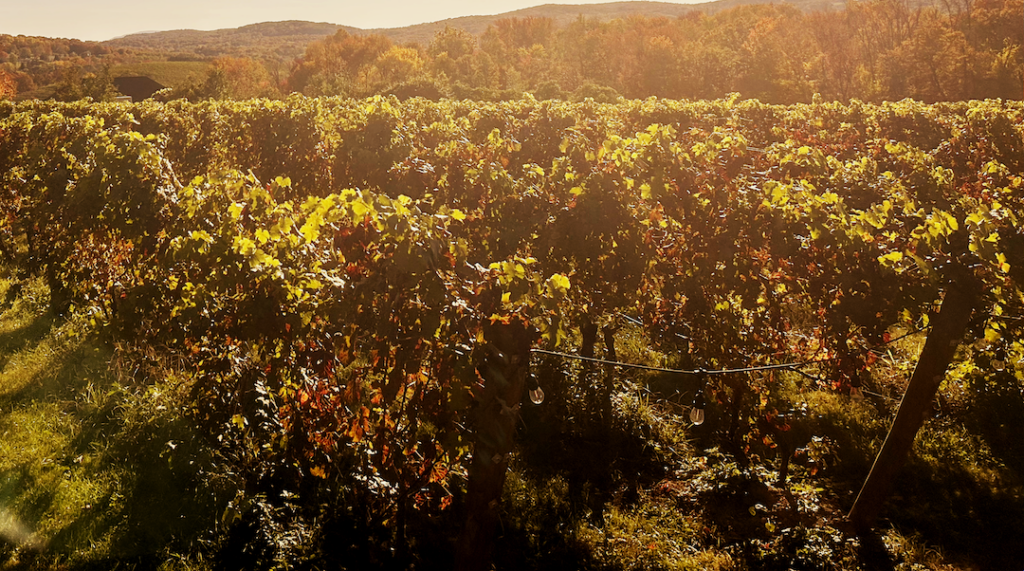
Another major factor is the rise in collaboration across the region. Organizations such as the Hudson Valley Wine & Grape Growers Association and Cornell Cooperative Extension have encouraged winemakers to share techniques and evaluate wines collectively.
This peer-review approach has led to measurable improvements in quality. Winemakers now routinely taste each other’s wines, exchange feedback, and adopt best practices.
Instead of operating in isolation, producers are working together to raise the reputation of the entire region. This collective mindset has accelerated learning and reduced the trial-and-error phase that often limits emerging wine regions.

Reason #3 – Increased investment and modernization of winemaking
The Hudson Valley has also benefited from new investment and an influx of skilled producers. More capital has allowed wineries to upgrade equipment, improve facilities, and experiment with modern techniques.
According to industry sources, the region has seen more money flowing into vineyards and wineries, along with owners who bring deeper expertise in viticulture and enology.
This has translated into better fermentation control, cleaner production methods, and more precise aging techniques—all of which contribute directly to higher-quality wines. Even small wineries now have access to tools and knowledge that were once limited to major wine regions.
The “Local” reason – The local and tourism boom has raised standards
Possibly one of the biggest factors is the growth of agritourism and the local food movement. As more visitors come to the Hudson Valley for wine tastings and weekend trips, wineries face greater pressure to impress consumers.
Tourism has increased demand for high-quality, locally produced wine, encouraging producers to refine their offerings.
At the same time, the broader “drink local” trend has elevated expectations, pushing wineries to compete not just regionally but nationally.
Hudson Valley wine quality has improved because of smarter grape selection, stronger collaboration among winemakers, and increased investment in modern techniques—supported by a growing tourism economy. Together, these forces have transformed the region from a historical curiosity into a serious and increasingly respected wine-producing area.